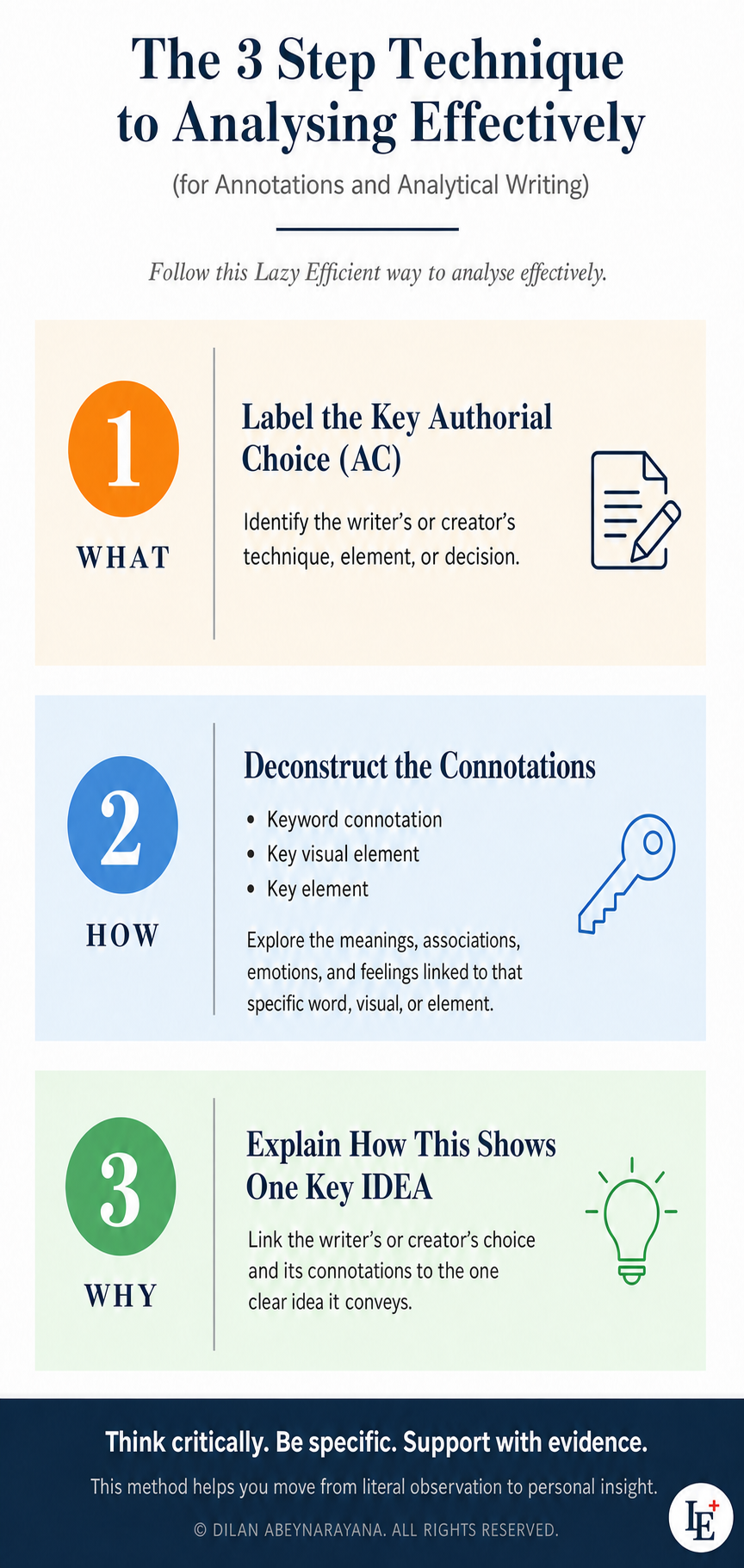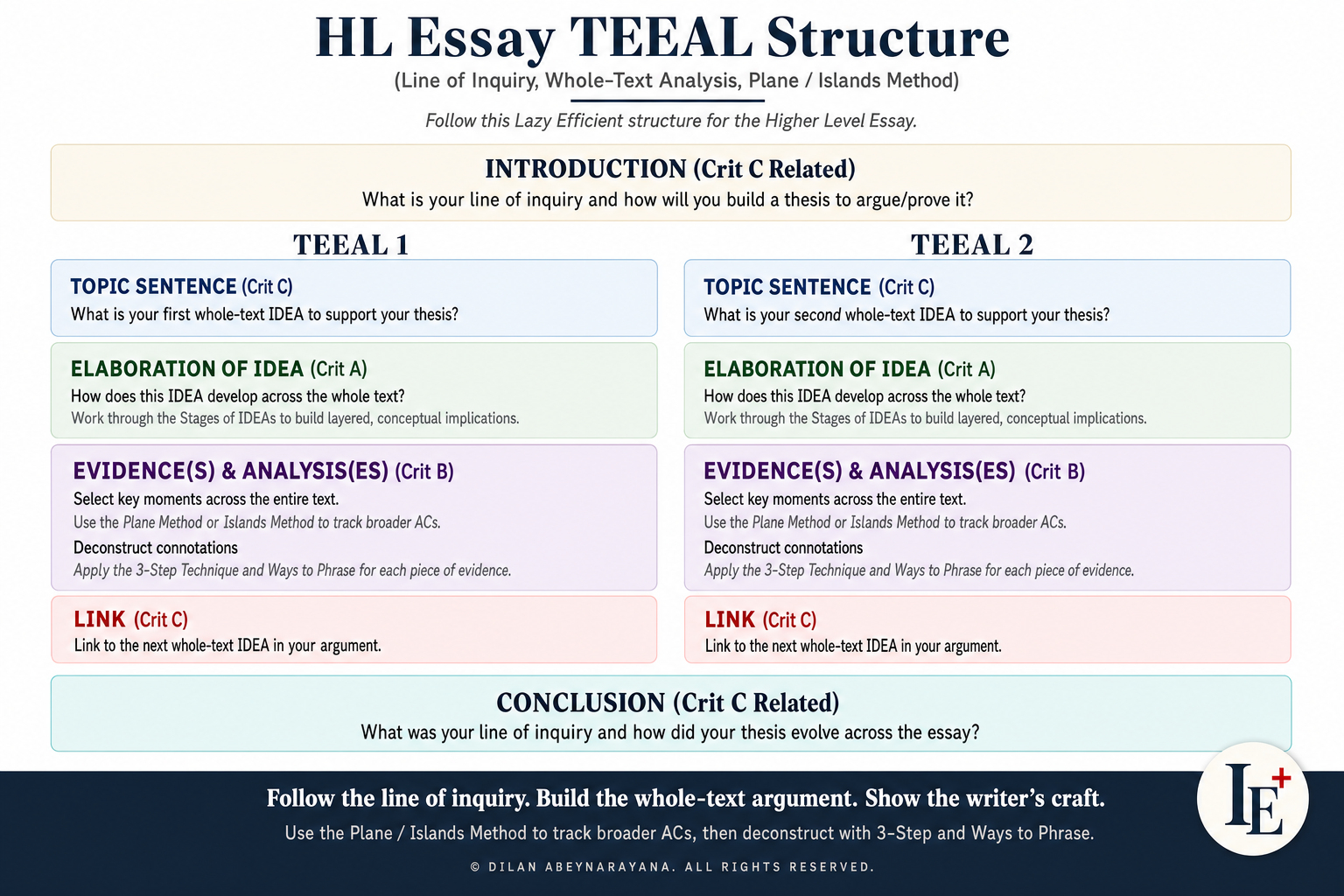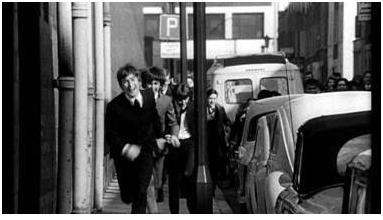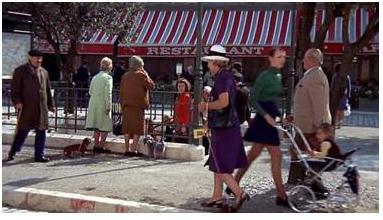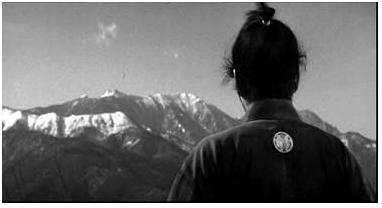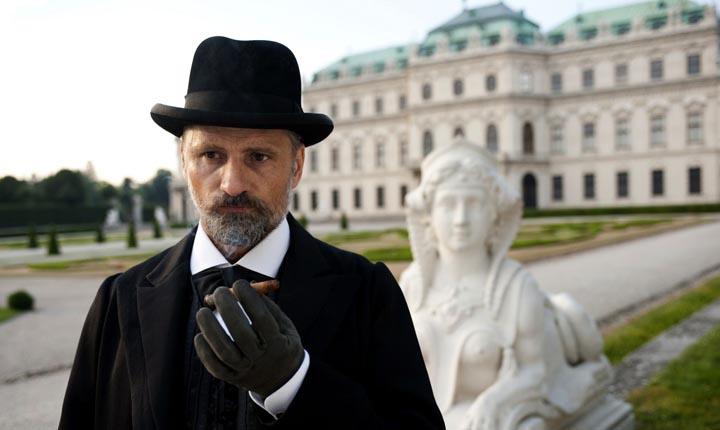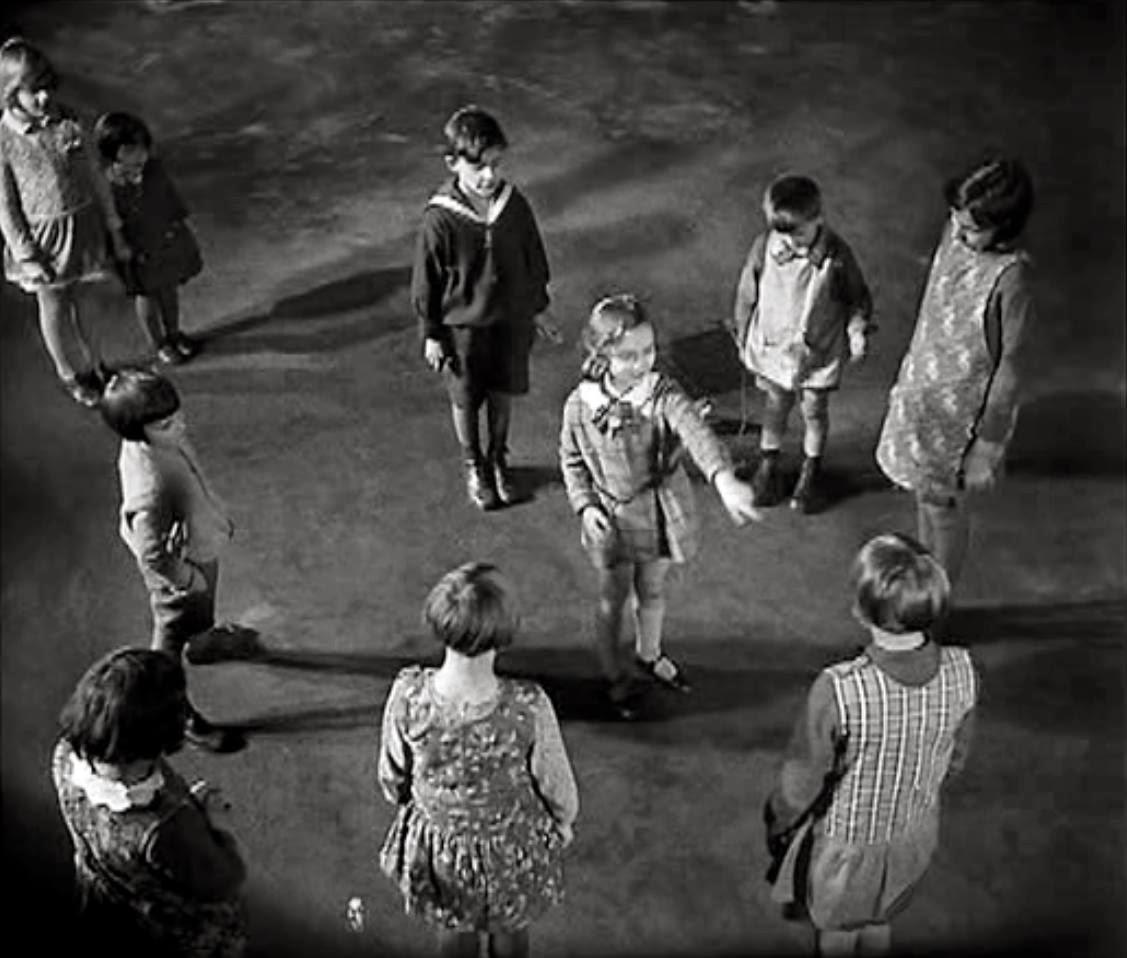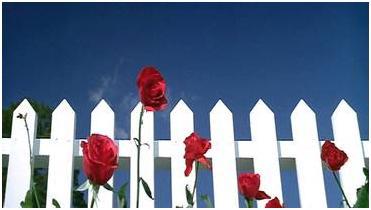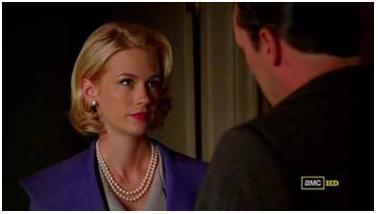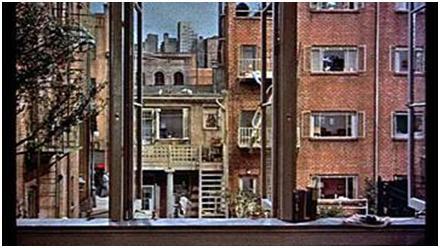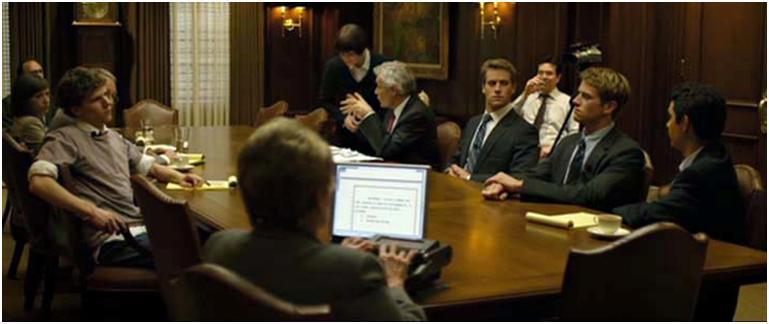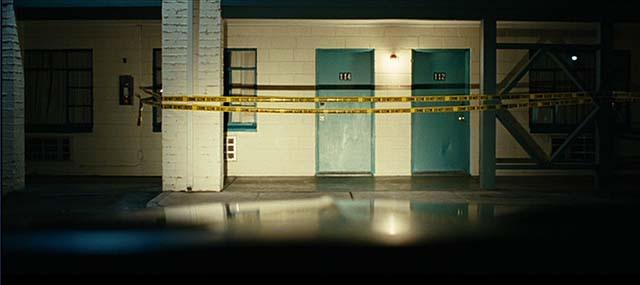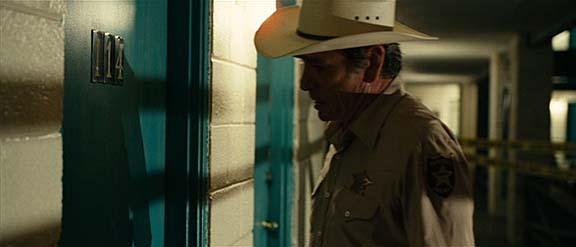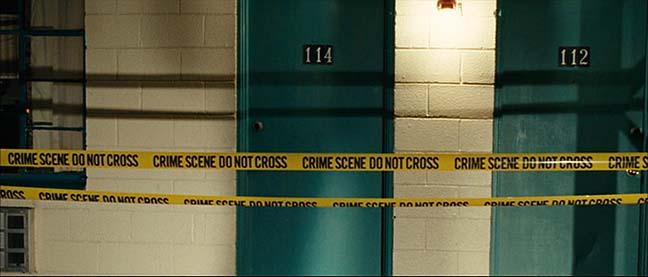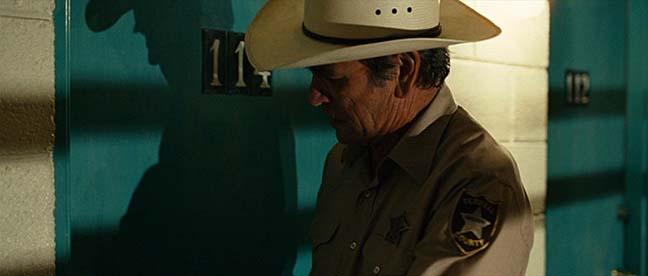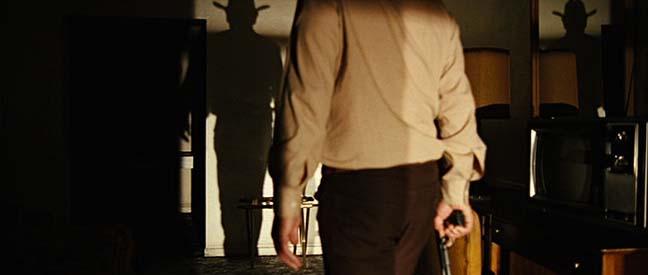
Film as a Text: Even though film is one of the most regularly accessed and powerful forms of art in our society, there is a tendency to consider it simply as entertainment. In English, film has to be considered as a text designed to be analysed and evaluated in the same way as a novel, a play, a poem or a speech.
The intellectual and emotional power that a film can have on an audience comes from the fact that it incorporates elements from virtually every other type of text. It retains the themes, characters and dialogue from novels and plays, the visuals from photography and paintings and the music from ... music.
Throughout your high school years, understanding how films are made, what their purposes are and what techniques are used to transmit meaning is vital to ensure your success in English.
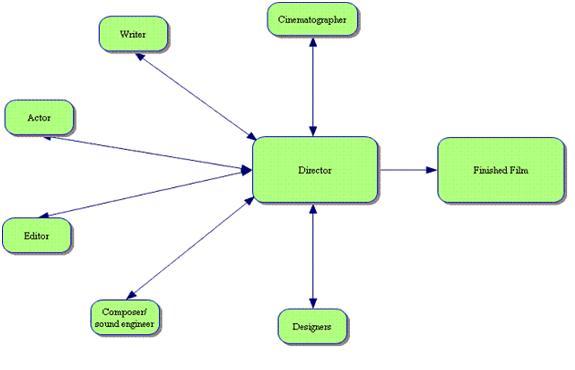
Unlike a poem or a novel, which are usually written by one person (the author or poet) with the help of others (editor), film is a much more collaborative medium. In order to create the final product, hundreds of people are required to work together.
The most important member of the filmmaking process is the director. He/she is the person who has the overall vision of what the film will look like, what the main message or idea of the film is, and how the audience is supposed to feel. Ultimately, their role is to make sure the other crew members are able to transmit this vision onto the screen.
In the end, however, everyone has to answer to the director โ they have the final say.
For your favourite film, fill in each of the roles below:
๐ท Insert a film poster or behind-the-scenes image here:
images/film_guide/poster.png
Usually a film consists of THREE acts:
Acts often begin and end with turning points โ events that change the direction that the story will follow.
For your favourite film, explain what happens in each act (2 sentences each maximum):
| Act | Major Events | Why we know it has moved to the next act |
|---|---|---|
| Act 1 | ||
| Act 2 | ||
| Act 3 |
Consider films as visual novels. Where a book tells a story with letters, which make words, which make sentences, which build up to paragraphs, a film tells a story with frames, which make shots, which make scenes, which build into sequences.
| Film Term | Definition | Book Equivalent |
|---|---|---|
| Frame | A single still image | Letter |
| Shot | A single continuous view within a film | Word |
| Scene | A series of related shots | Sentence |
| Sequence | A series of scenes that together tell a part of the story | Paragraph |
There are 5 basic language features which you need to be aware of both when watching and analysing film and also when creating your own:
While it is important that you are able to identify each of these features, it is vital that you are able to explain why they are used. Ultimately, the director wants to manipulate the audience into feeling or thinking something, and it is by controlling these elements that he/she is able to do this.
The most noticeable way that a director can manipulate or influence his/her audience is through cinematography. The term cinematography literally means to write or record with motion/movement. It relates to the lighting and camera choices made when recording photographic images for the screen.
An easier way to think about it is that cinematography deals with anything relating to the movement of the camera. A cinematographer's job is to make sure that the film looks the way the director wants it to look.
The key to understanding cinematography is to appreciate that the director is visually positioning the audience in certain ways, in order to get a desired response. The two most important ways the director positions us is through the types of shots and the camera angles used.
Activity: For each shot and angle, choose ONE film or TV show and find a new example from that source.
This is usually an establishing shot in a sequence and (almost) shows the entirety of a setting.
| Example | Your Version |
|---|---|
images/film_guide/vls_example.png |
Shows the entirety of an object or a human within the frame.
| Example | Your Version |
|---|---|
images/film_guide/ls_example.png |
Usually from the chest or waist to the top of the head.
| Example | Your Version |
|---|---|
images/film_guide/ms_example.png |
A tightly framed shot of the subject where, for example, the face of a person takes up the entire frame.
| Example | Your Version |
|---|---|
images/film_guide/cu_example.png |
An even tighter shot than the CU whereby only a portion of the subject fills the frame.
| Example | Your Version |
|---|---|
images/film_guide/xcu_example.png |
Note: There is no official point where a shot changes from being one kind to another. For those in between shots, you can simply use both labels (e.g., MCU, MLS).
Note: Each of these angles is talked about in conjunction with the type of shot used. So you may have a high angled close up shot for example.
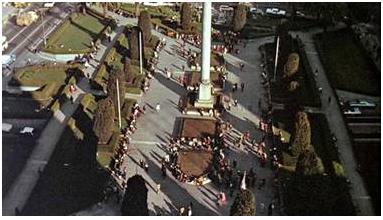
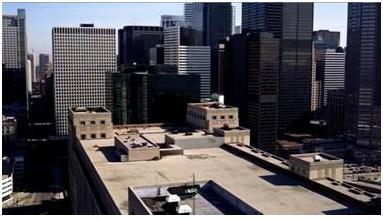
High angle shots describe the camera being above the subject, looking down on it.
| Example | Your Version |
|---|---|
images/film_guide/high_angle_example.png |
The camera is placed below the subject looking up at it.
| Example | Your Version |
|---|---|
images/film_guide/low_angle_example.png |
The camera is positioned from the point of view of a character or the audience; so in essence, we are seeing what they are.
| Example | Your Version |
|---|---|
images/film_guide/pov_example.png |
A shot where two subjects (usually people) take up the frame.
| Example | Your Version |
|---|---|
images/film_guide/two_shot_example.png |
Similar to the POV with a shot of a subject from behind another.
| Example | Your Version |
|---|---|
images/film_guide/over_shoulder_example.png |
๐ท Insert examples of these shots here:
images/film_guide/misc_shots.png
In film, as well as photography, there is a general rule that the frame should be broken into thirds, both horizontally and vertically. While the reason for doing this can be to highlight certain themes, or in order to position the viewer in a specific way, it is primarily an aesthetic guide.
๐ท Rear Window โ Alfred Hitchcock
images/film_guide/rule_of_thirds.png
How do we see the size of the spacecraft?
๐ท Insert screenshot(s) from 2001: A Space Odyssey here:
images/film_guide/2001_spacecraft.png
| Screenshot of the specific shot | AC โ what type of shot is it? | Deconstruction โ how does that shot show the size? |
|---|---|---|
๐ท Insert screenshot from Battleship Potemkin here:
images/film_guide/potemkin_scene.png
Mise-en-scene (or framing) refers to all the elements that make up a single frame in a film. These elements include:
As with the other film languages, while it is vitally important to be able to identify each of the components, it is more important to try to determine WHY the director has used each component, i.e. what effect does it have on the audience?
Note: we talk about features that are placed within the mise-en-scene; mise-en-scene can be used as a synonym for 'frame'.
Watch the videos linked below and complete the table:
| Element | 1. What are 2-3 key parts identified by the expert? | 2. What effect does the expert want each to have? | 3. What are 2 other aspects not mentioned? | 4. What specific effects may they have? |
|---|---|---|---|---|
| Costume | ||||
| Lighting | ||||
| Setting | ||||
| Props | ||||
| Position of Actors | ||||
| Colour Scheme |
You are now an expert in your specific element of mise-en-scene. You are going to combine with other experts to offer a portfolio for a director. Based on the scenario given, each expert will include either: (1) A description of what you would include, and/or (2) Images of the types of things you would want to include.
๐ท Insert Frame 1 image here:
images/film_guide/frame1.png
๐ท Insert Frame 2 image here:
images/film_guide/frame2.png
Using the elements that make up the mise-en-scene, write a two paragraph analysis of HOW the director has created tension in this frame.
Bonus: Where is Nosferatu in this scene?
Film editing is part of the creative process of filmmaking. At its most fundamental level, film editing is the practice of assembling shots into a coherent whole.
Editing can bring out the emotional truth in an actor's performance; guide the telling and pace of a story; create an illusion of danger where there is none; give emphasis to things that would not have otherwise been noted; and even create a vital subconscious emotional connection to the viewer.
The two most common types of edits are cuts and transitions.
Note: If a sequence contains one continuous shot, this long take of an unbroken or un-edited shot is still considered part of editing.
This is a scene from a thriller of a policeman arriving at the scene of the crime, not realising the killer is inside. Order these frames into a sequence so that suspense is heightened. Note: The first and last frames are correct.
frame1.pngframe2.pngframe3.pngframe4.pngframe5.pngframe6.pngframe7.pngframe8.pngframe9.pngframe10.pngYour order (list the numbers in sequence):
๐ท Insert screenshots/links to the two sequences here:
images/film_guide/sequence1.png
images/film_guide/sequence2.png
Watch the video and explain the key problems identified.
| Problem | Technical reason it didn't work | How this affected the audience |
|---|---|---|
The music that accompanies a film can be categorised as being part of the soundtrack or the score. In both cases the purpose of music is primarily to elicit an emotional response from the audience.
Watch the Hans Zimmer video and complete the table based on three examples given:
| Film | Key mood/tone/genre | Unique aspects of the score | Direct evidence for why Zimmer created it as he did | How effective is the score? |
|---|---|---|---|---|
Imagine you are a director. Your composer has offered you the following options as your score. Analyse each:
| Score | What emotions will this allow you to elicit? | What visuals will match the music? | What part of the plot is occurring when this plays? | Find the real film โ how close were your guesses? |
|---|---|---|---|---|
| Score 1 | ||||
| Score 2 | ||||
| Score 3 | ||||
| Score 4 |
Sound refers to any audio/sonic component in a film. There are two main categories:
๐ท Insert image/screenshot from the Hugh Jackman Logan sound recording clip:
images/film_guide/logan_sound.png
Mini-activity: Come up with three reasons why Hugh Jackman had to record the sounds for the clip in a studio (and not when they recorded the visuals).
You are the sound designer for the following film. What choices of diegetic and non-diegetic sound would you include to bring this sequence to life?
๐ท Insert the scene/screenshots here:
images/film_guide/foley_scene.png
| Key visual 1 | Key visual 2 | Key visual 3 | Key visual 4 | Key visual 5 | Key visual 6 |
|---|---|---|---|---|---|
| Diegetic Sound + Intended Effect: | |||||
| Non-Diegetic Sound + Intended Effect: | |||||
Watch the Foley video and write down the three most interesting ways that the Sound Editors created the sounds for the film.
๐ Image folder: Save your .png files to images/film_guide/ with the filenames used above (e.g., vls_example.png, frame1.png).
All interactive fields are editable โ click and type to complete the activities.