It is easy to look away. Easy to scroll past yet another headline about melting ice caps, to sigh at the photograph of a starving polar bear, to nod along and then close the tab. We are busy people. We have bills to pay, children to collect, careers to build. The destruction of our natural world — this slow, creeping catastrophe — feels distant. Abstract. Like a problem for future generations, not for us, not for now.
But I am here to tell you: the future has arrived. And it is already burning.
As you know, the scientific consensus could not be clearer. Homeostasis — the delicate balance that has sustained life on this planet for millennia — is breaking down. The polar vortex destabilises. Carbon monoxide emissions have risen by 12% in the last fifteen years alone. And behind these sterile numbers, behind the jargon of 'anthropogenic causation' and the statistical gymnastics of policy briefings, something far more urgent is happening. We are losing the world. Piece by piece. Creature by creature. Tree by ancient tree.
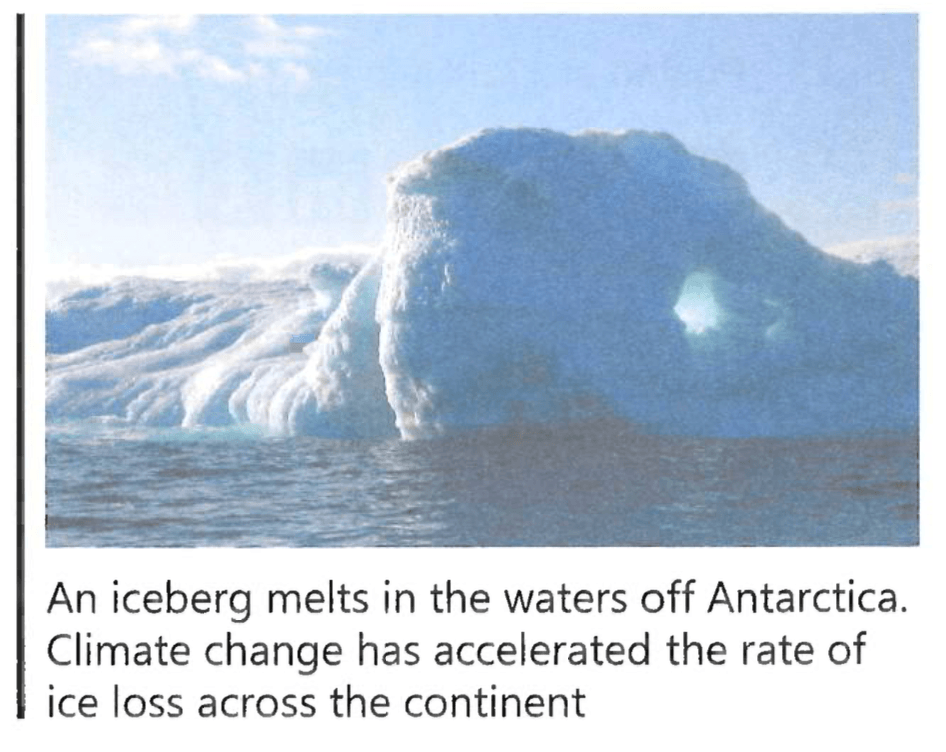
Think of the Redwoods. Those towering, silent witnesses to human history, standing for thousands of years in the forests of California. Think of the penguins on their collapsing ice shelves, the pandas whose bamboo forests shrink with each passing season. These are not abstract statistics. These are the things we love. And we are killing them.
The question is no longer whether humans are destroying our environment. The question — posed by certain politicians in the United States who continue to deny humanity's role in climate change, in deforestation, in the warming of our oceans, in the relentless rise of CO₂ emissions — is a different one entirely. They ask: Is it really that bad? They ask: Can't we wait?
No. We cannot. The breakdown of the Paris climate accords — that failure of nerve, that collapse of international will — was not the straw that breaks the environment's back. It was the anvil. The consequences of that failure sound the death knell for our environment. A death knell is not a whisper. It is a bell that rings for everyone. It announces a loss that cannot be hidden, cannot be ignored, cannot be confined to a scientific journal or a late-night news segment. It is public. It is final. And it is ringing now.
I write this not as a politician seeking votes, nor as an activist seeking outrage. I write this as someone who has spent a career watching the data accumulate, watching the warnings go unheeded, watching the world burn in slow motion. The Guardian's readers are not fools. You know the science. You know the stakes. And you know, deep down, that those who still deny what is happening either have not looked — or do not want to see.
So let me be direct. We need a Noah's Ark. Not a vessel of wood and pitch, but a collective, political, global act of preservation. The flood is coming. The waters are rising. And if we wait for certainty, if we wait for unanimity, if we wait for the politicians to find their courage — there will be nothing left to save.
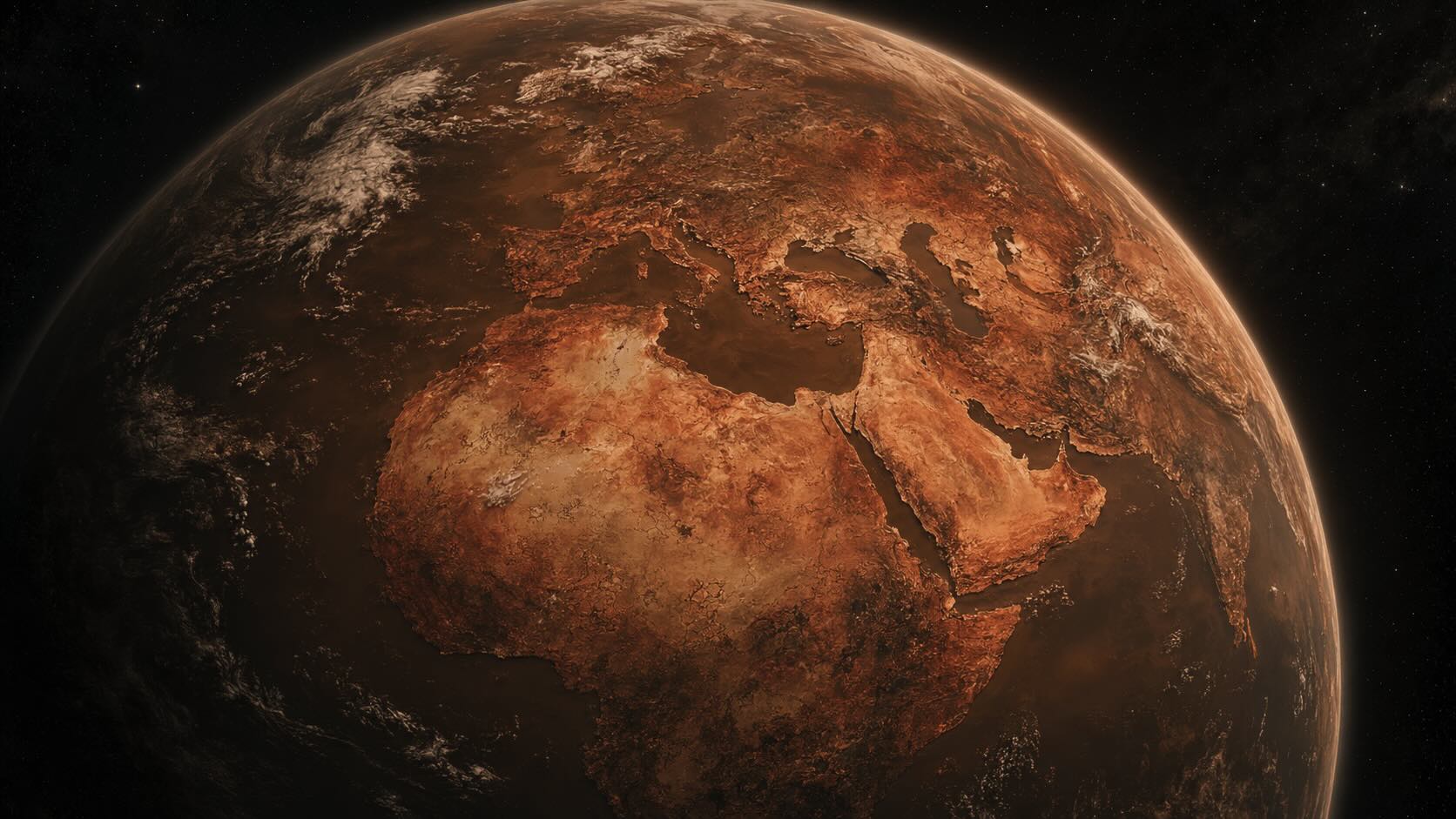
The image accompanying this article shows our Earth in browns and reds, drained of the blues and greens we associate with life. It is not a photograph of another planet. It is a photograph of ours. Look at it. Really look.
Are we killing our world? Or is our world — stretched thin, overheated, exhausted — already beginning to kill us? The answer, I am afraid, is both.
Comments: The majority of responses shown agree with her position, with one commenter using a colloquial insult in arguing that those who disagree "need their head examined".