





}

🔥 Try an Activity

See all →
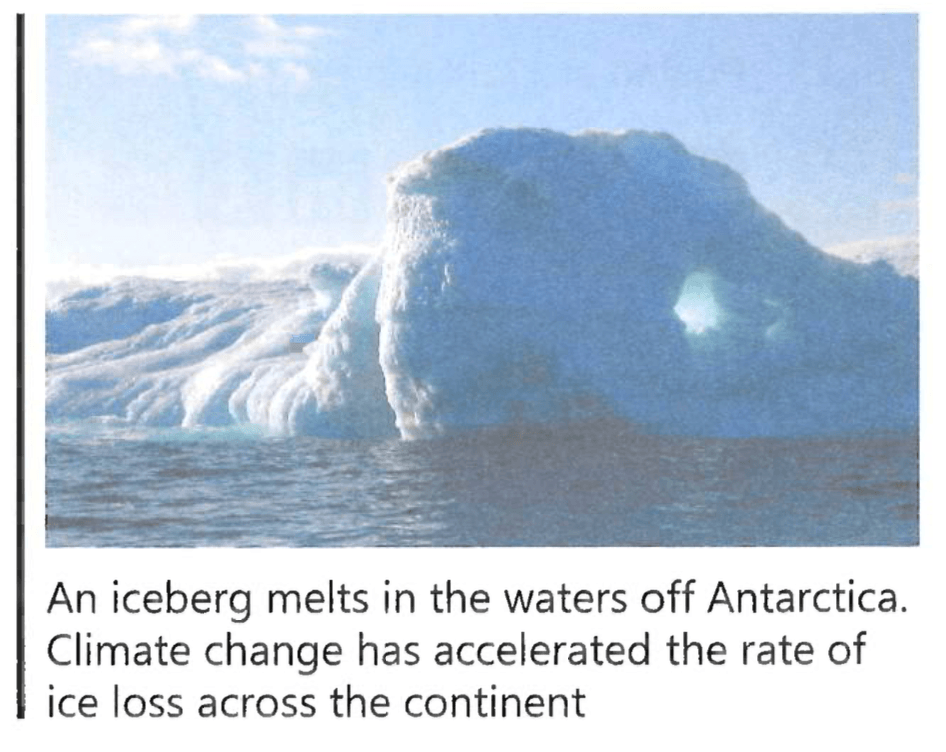
IB Paper 1 activity – A Radical Opinion on ChatGPTM24 TZ2

"A Radical Opinion on ChatGPT"

DICE/PACT, IDEAs, cloze, timed EAs

Open →
IB Paper 1 activity – Indian Soul FoodM21

"Indian Soul Food"

DICE/PACT, IDEAs, timed writing

Open →
IB Paper 1 activity – Infinities of Being A HousewifeN21

"Infinities of Being A Housewife"

Annotation, IDEAs, timed analysis

Open →
IB Paper 1 activity – Humour at WorkN21

"Humour at Work"

Annotation, IDEAs, timed analysis

Open →
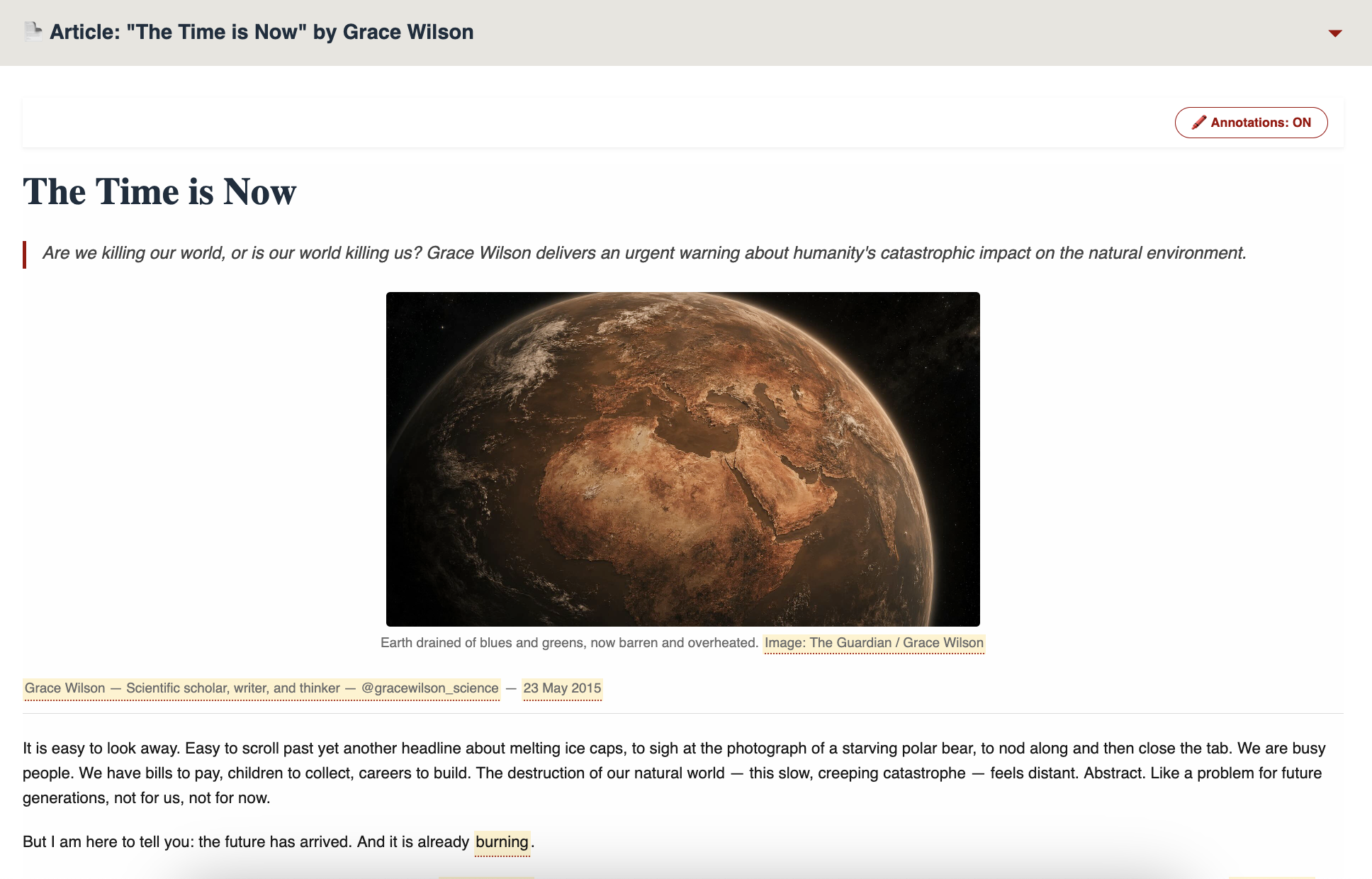
IB Paper 1 activity – Bulgaria Bike BlogM22

"Bulgaria Bike Blog"

IDEAs tree, timed analysis, essay

Open →
IB Paper 1 activity – The Art of EatingM23

"The Art of Eating"

Annotation, IDEAs, essay practice

Open →
IB Paper 1 activity – Ode to CauliflowersN22

"Ode to Cauliflowers"

Annotation, IDEAs, essay practice

Open →
📄 P1 - National Geographic: Climate Change
← Back to Paper 1

✧ Find a Criterion; do the tasks; check your responses.

📂 DICE/PACT
DICE/PACTDICE/PACT
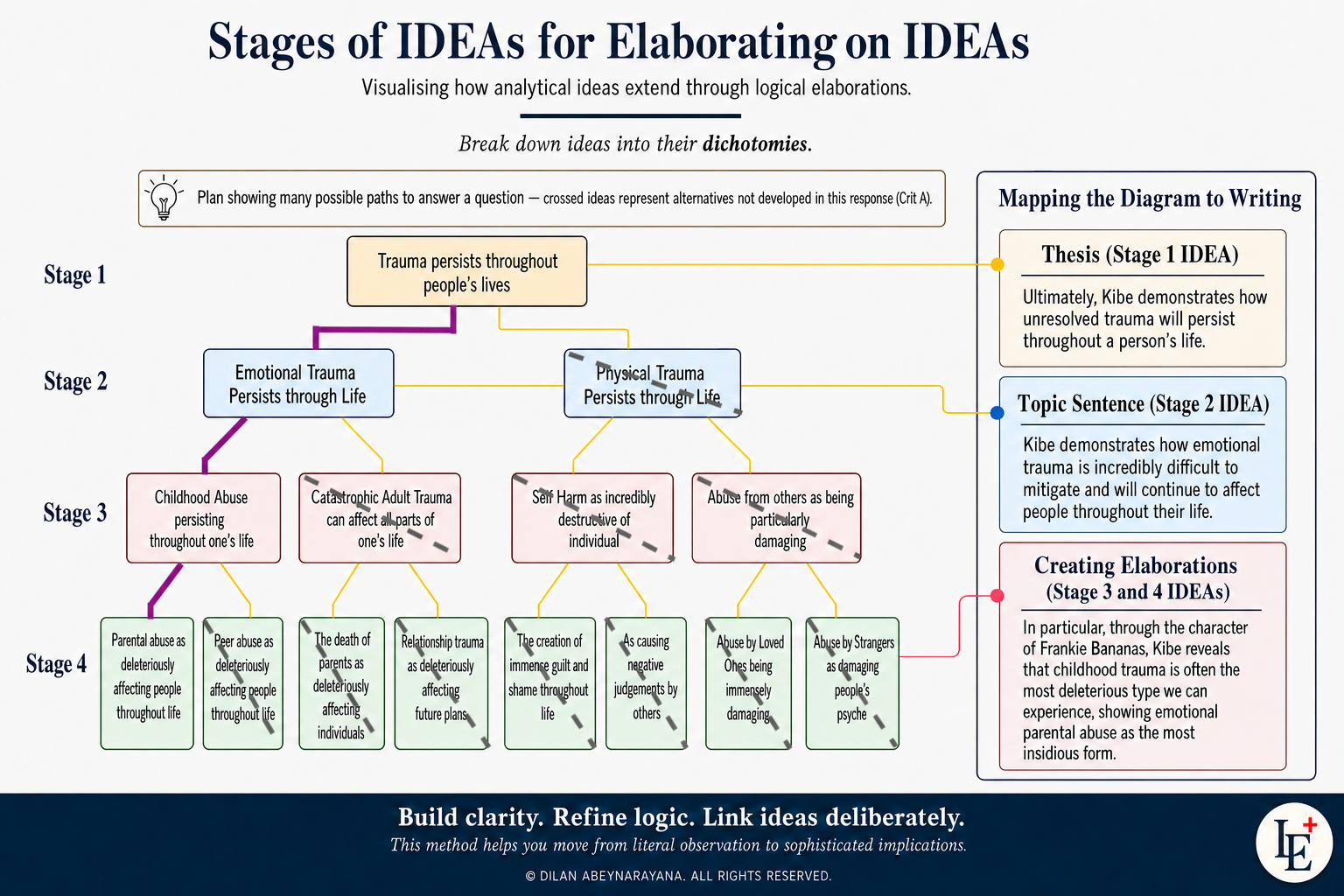
📂 Stages of IDEAs
Stages of IDEAsStages of IDEAs
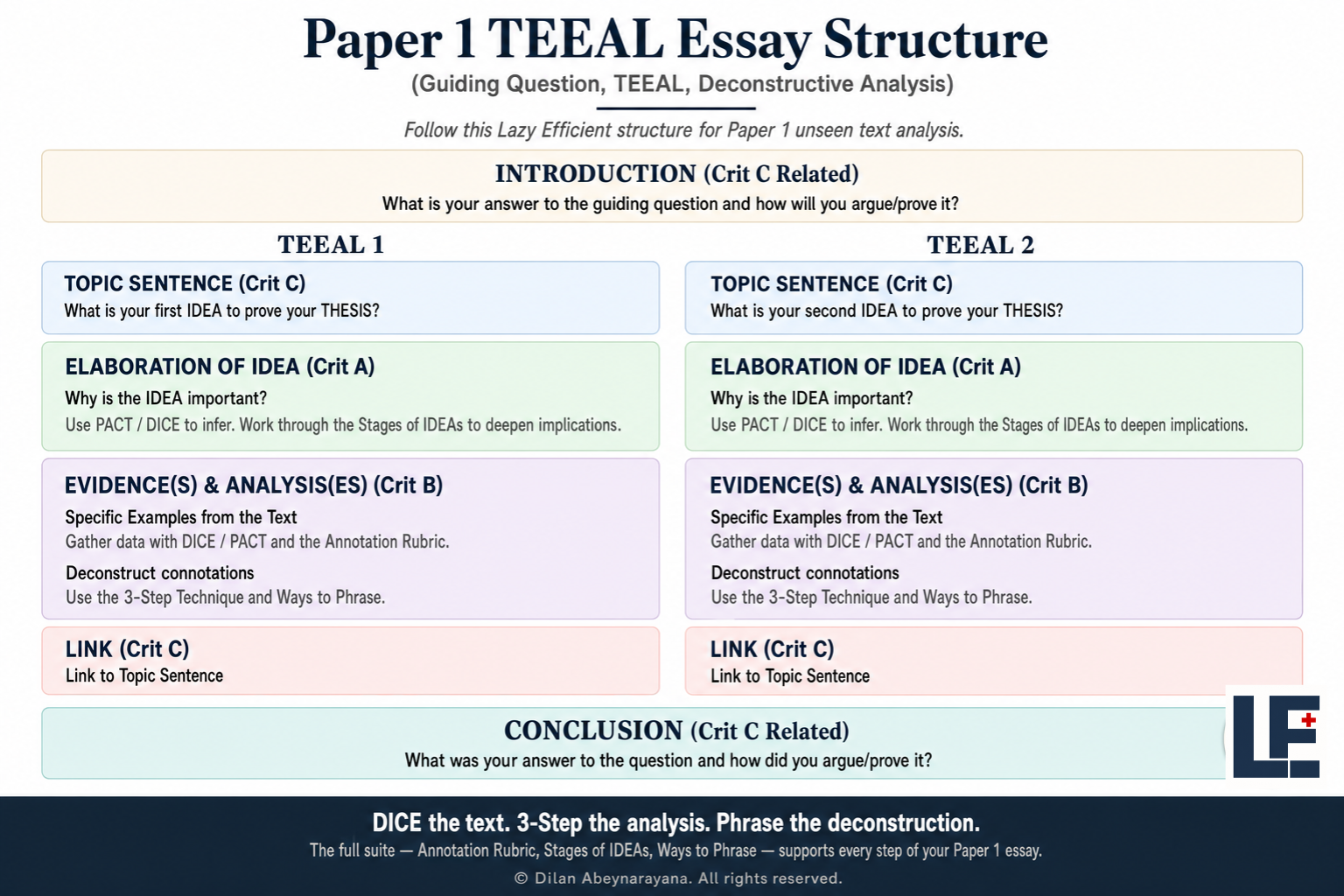
📂 TEEAL scaffold
Paper 1 TEEALTEEAL scaffold
📂 TS & ELAB
TS & ELABTS & ELAB

Effects of global warming

The signs of global warming are everywhere, and are more complex than just climbing temperatures.
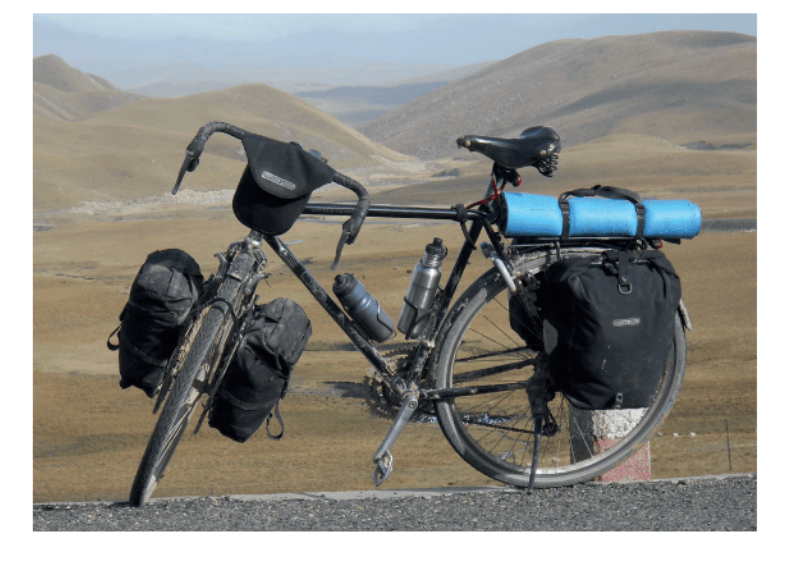
Iceberg melting in Antarctica
An iceberg melts in the waters off Antarctica. Climate change has accelerated the rate of ice loss across the continent.

CAUSES AND EFFECTS OF CLIMATE CHANGE
What causes climate change? And how does it relate to global warming? Learn about the impact and consequences of climate change and global warming for the environment and our lives.

2 MINUTE READ
The planet is warming, from North Pole to South Pole. Since 1906, the global average surface temperature has increased by more than 1.6 degrees Fahrenheit (0.9 degrees Celsius) – even more in sensitive, polar regions. And the impacts of rising temperatures aren't waiting for some far‑flung future – the effects of global warming are appearing right now. The heat is melting glaciers and sea ice, shifting precipitation patterns, and setting animals on the move.

Many people think of global warming and climate change as synonyms, but scientists prefer to use “climate change” when describing the complex shifts now affecting our planet’s weather and climate systems. Climate change encompasses not only rising average temperatures but also extreme weather events, shifting wildlife populations and habitats, rising seas, and a range of other impacts. All of these changes are emerging as humans continue to add heat‑trapping greenhouse gases to the atmosphere.

Scientists already have documented these impacts of climate change. Ice is melting worldwide, especially at the Earth’s poles. This includes mountain glaciers, ice sheets covering West Antarctica and Greenland, and Arctic sea ice. In Montana’s Glacier National Park the number of glaciers has declined to fewer than 30 from more than 150 in 1910. Much of this melting ice contributes to sea‑level rise. Global sea levels are rising 0.13 inches (3.2 millimeters) a year, and the rise is occurring at a faster rate in recent years. Rising temperatures are affecting wildlife and their habitats. Vanishing ice has challenged species such as the Adélie penguin in Antarctica, where some populations on the western peninsula have collapsed by 90 percent or more. As temperatures change, many species are on the move. Some butterflies, foxes, and alpine plants have migrated farther north or to higher, cooler areas. Precipitation (rain and snowfall) has increased across the globe, on average. Yet some regions are experiencing more severe drought, increasing the risk of wildfires, lost crops, and drinking water shortages. Some species – including mosquitoes, ticks, jellyfish, and crop pests – are thriving. Booming populations of bark beetles that feed on spruce and pine trees, for example, have devastated millions of forested acres in the U.S.

Other effects could take place later this century, if warming continues. Sea levels are expected to rise between 10 and 32 inches (26 and 82 centimeters) or higher by the end of the century. Hurricanes and other storms are likely to become stronger. Floods and droughts will become more common. Large parts of the U.S., for example, face a higher risk of decades‑long “megadroughts” by 2100. Less freshwater will be available, since glaciers store about three‑quarters of the world’s freshwater. Some diseases will spread, such as mosquito‑borne malaria (and the 2016 resurgence of the Zika virus). Ecosystems will continue to change: Some species will move farther north or become more successful; others, such as polar bears, won’t be able to adapt and could become extinct.
📌 Guiding question: Explore how the writer develops their argument about the seriousness of climate change.

Fill in the table. Click "Reveal DICE Answers" to see a placeholder message.

DICE PieceYour INFERENCECONFIRMING EVIDENCE
Author / Organisation: National Geographic
Publication: National Geographic Online
Date: n.d. (accessed 2020)
Text Type: Online informational article / explainer

Note: Break down the argument into its conceptual parts.

Stage 0/1 IDEA
Problem
Solution/Implications
Problem Aspect A
PACT/DICE
Problem Aspect B
PACT/DICE
Solution Aspect A
PACT/DICE
Solution Aspect B
PACT/DICE

Write a topic sentence with a clear IDEA. Then elaborate integrating PACT. Click "Check My Elaboration" for banded feedback – you can cycle through example sets.

Topic Sentence:

Elaboration:

📂 3‑Step Technique
3‑Step Technique3‑Step Technique
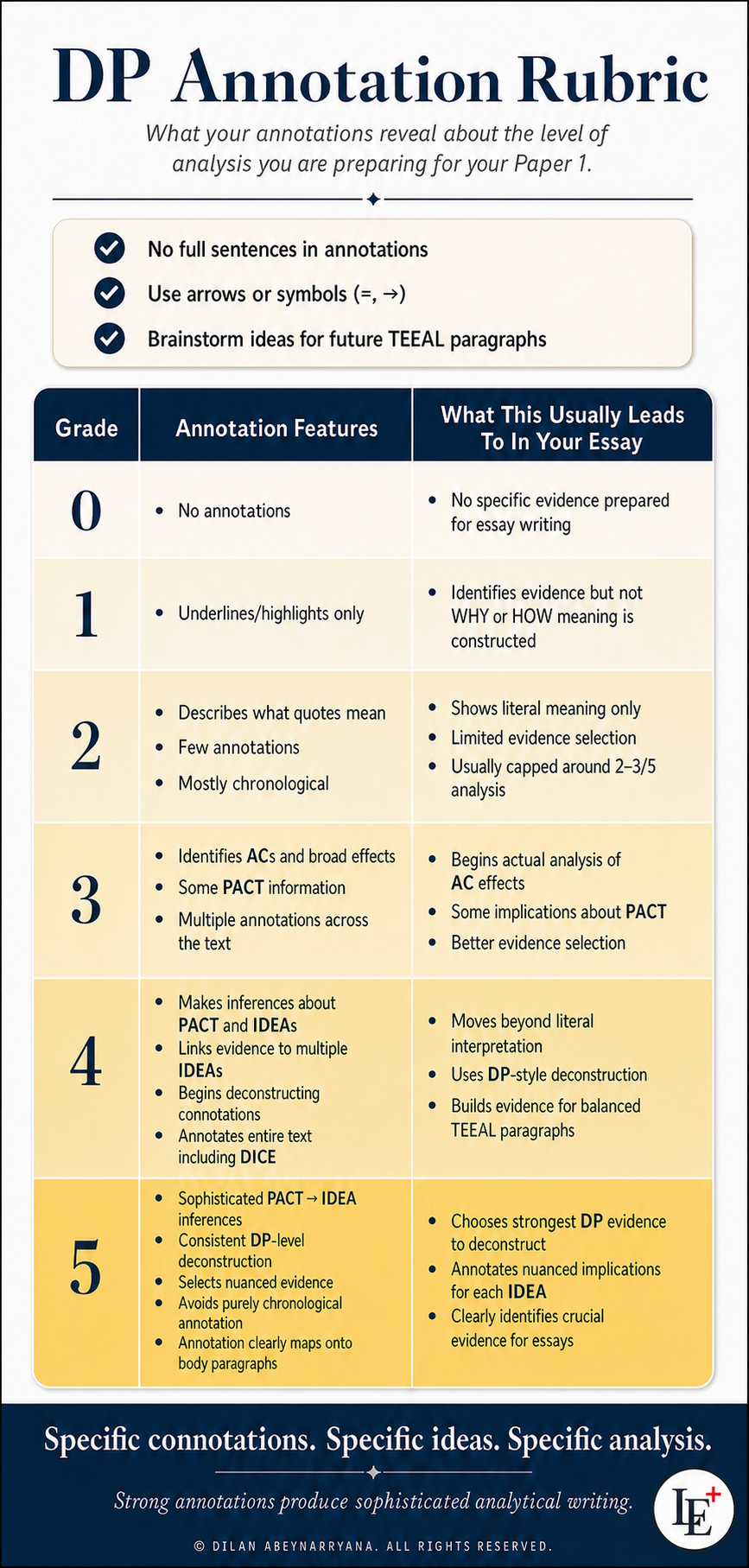
📂 Annotation Rubric
Annotation RubricAnnotation Rubric
📂 TEEAL scaffold
Paper 1 TEEALTEEAL scaffold
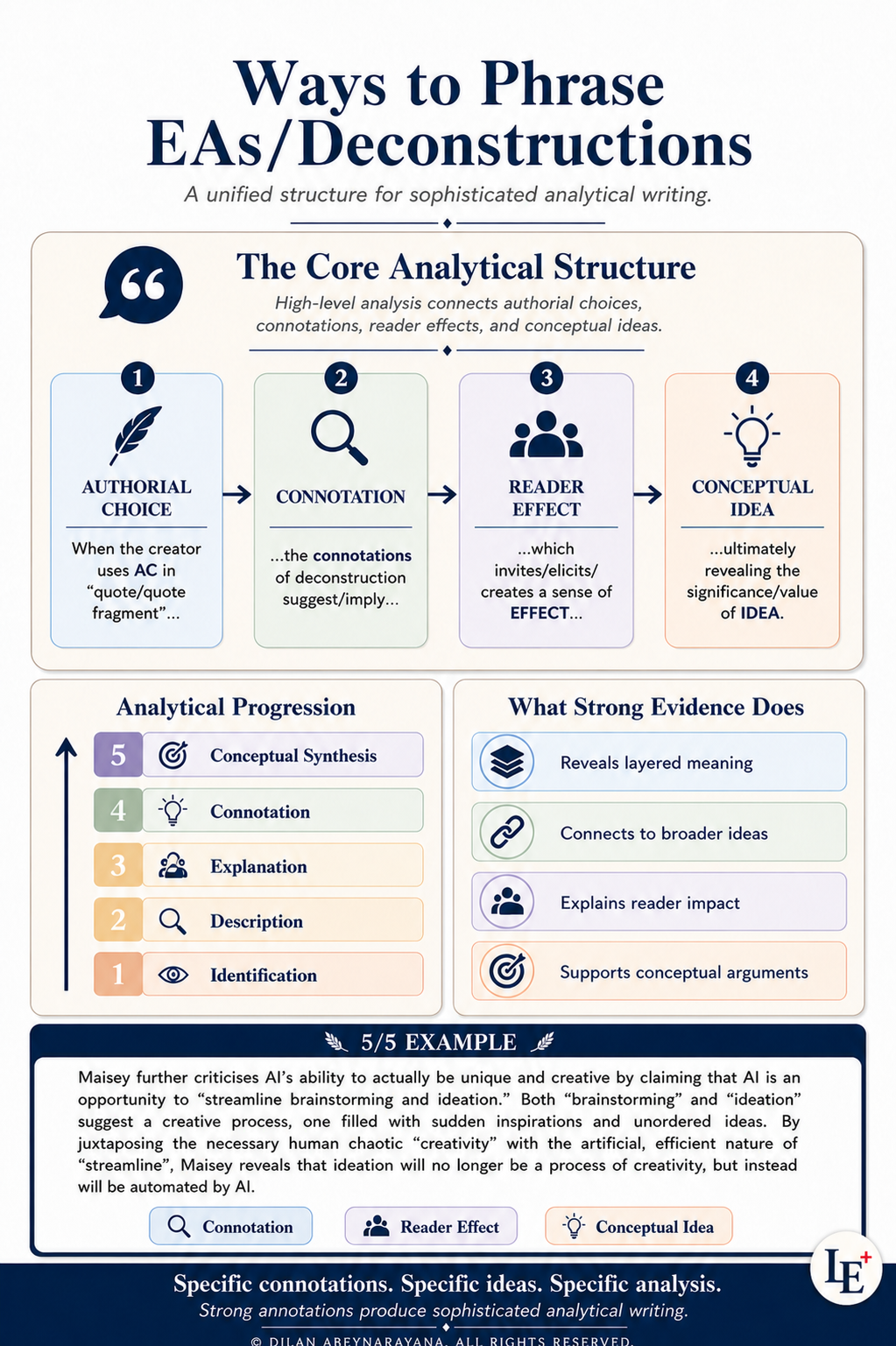
📂 Ways to Phrase Deconstructions
Ways to PhraseWays to Phrase Deconstructions

Click any highlighted phrase. Write your AC, Decon, IDEA. Click Reveal to see model answers.

Effects of global warming

The signs of global warming are everywhere, and are more complex than just climbing temperatures.
Iceberg
An iceberg melts in the waters off Antarctica. Climate change has accelerated the rate of ice loss across the continent.

2 MINUTE READ
The planet is warming, from North Pole to South Pole. Since 1906, the global average surface temperature has increased by more than 1.6 degrees Fahrenheit (0.9 degrees Celsius) – even more in sensitive, polar regions. And the impacts of rising temperatures aren't waiting for some far‑flung future – the effects of global warming are appearing right now. The heat is melting glaciers and sea ice, shifting precipitation patterns, and setting animals on the move.

Many people think of global warming and climate change as synonyms, but scientists prefer to use 'climate change' when describing the complex shifts now affecting our planet’s weather and climate systems. Climate change encompasses not only rising average temperatures but also extreme weather events, shifting wildlife populations and habitats, rising seas, and a range of other impacts. All of these changes are emerging as humans continue to add heat‑trapping greenhouse gases to the atmosphere.

Scientists already have documented these impacts of climate change. Ice is melting worldwide, especially at the Earth’s poles. This includes mountain glaciers, ice sheets covering West Antarctica and Greenland, and Arctic sea ice. In Montana’s Glacier National Park the number of glaciers has declined to fewer than 30 from more than 150 in 1910. Much of this melting ice contributes to sea‑level rise. Global sea levels are rising 0.13 inches (3.2 millimeters) a year, and the rise is occurring at a faster rate in recent years. Rising temperatures are affecting wildlife and their habitats. Vanishing ice has challenged species such as the Adélie penguin in Antarctica, where some populations on the western peninsula have collapsed by 90 percent or more. As temperatures change, many species are on the move. Some butterflies, foxes, and alpine plants have migrated farther north or to higher, cooler areas. Precipitation (rain and snowfall) has increased across the globe, on average. Yet some regions are experiencing more severe drought, increasing the risk of wildfires, lost crops, and drinking water shortages. Some species – including mosquitoes, ticks, jellyfish, and crop pests – are thriving. Booming populations of bark beetles that feed on spruce and pine trees, for example, have devastated millions of forested acres in the U.S.

Other effects could take place later this century, if warming continues. Sea levels are expected to rise between 10 and 32 inches (26 and 82 centimeters) or higher by the end of the century. Hurricanes and other storms are likely to become stronger. Floods and droughts will become more common. Large parts of the U.S. face a higher risk of decades‑long “megadroughts” by 2100. Less freshwater will be available, since glaciers store about three‑quarters of the world’s freshwater. Some diseases will spread, such as mosquito‑borne malaria (and the 2016 resurgence of the Zika virus). Ecosystems will continue to change: Some species will move farther north or become more successful; others, such as polar bears, won’t be able to adapt and could become extinct.
📌 Guiding question: Explore how the writer develops their argument about the seriousness of climate change.

Rank the top 5 annotations. For each, explain why it allows high-level analysis.

RankAnnotation / WordWhy high‑level?
1
2
3
4
5

Write a full EA. Click "Check My EA" to get a score and see band descriptors – you can cycle through example sets.

5 minutes

3 minutes

1 minute

Essay Plan

Full Essay